
After 10 Years in Japan, Why He Returned to India
This transcript-backed story is useful because the guest is not describing a failed life abroad. Japan worked for him. It was safe, clean, stable, and comfortable. He simply reached a point where comfort was no longer the same thing as belonging, long-term family life, or the kind of place where he wanted to build something meaningful.
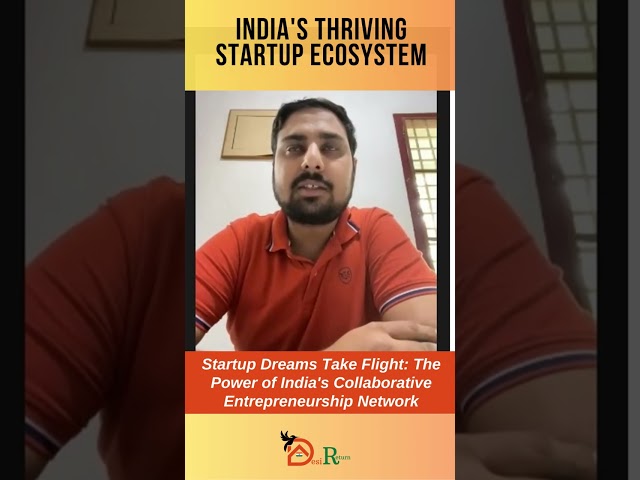
Related planning guides: If this question is part of your broader return plan, also review moving back to India from Canada guide and moving back to India from Germany guide.
Key Takeaways
- The guest grew up in western Maharashtra, studied engineering in Mumbai, and first entered Asia-focused work through a Japanese company.
- The episode frames the story as 10 years in Japan, though the transcript also notes an earlier Singapore phase before the longer Tokyo chapter.
- Japan felt safe, predictable, and comfortable in his experience. He explicitly says he did not face the kind of discrimination many outsiders assume.
- The deeper reason for leaving was not discomfort. It was the feeling that he could live well there, but could not fully belong there or imagine growing old there.
- Marriage, family culture, language comfort, and the desire to think 5 to 10 years ahead all pushed India higher in his mind.
- He briefly explored California and startup culture there, then decided India felt easier to build in and more aligned with the life he wanted.
- After returning, he began building from his home region, hired interns, and later shifted the operating center toward Pune.
- His practical suggestion for others is strong: if possible, negotiate remote work from India first so the transition does not become one giant leap.
What to know first: Why did he return to India after a comfortable decade in Japan? Because comfort abroad eventually stopped answering the deeper questions. He could imagine living there efficiently, but not fully belonging there, building family life there, or shaping the next decade there. India felt messier, but also more native, more open-ended, and more buildable.
How the Japan chapter began
The guest's path does not start in Tokyo. He says he grew up in a small town in the Konkan belt of western Maharashtra, studied locally first, then moved to Mumbai for engineering. In the final year of engineering he got placed into a Japanese company. That became the doorway to an international career.
One of the more interesting transcript details is that he did not go straight to Tokyo. He says the company gave options such as Tokyo, Shanghai, and Singapore, and he chose Singapore first because it felt like an easier first step. He appears to have spent about a year there before moving into the longer Tokyo phase that defined the next several years.
That is why the video's "after 10 years in Japan" framing should be read as the broader Japan chapter of his life, even though the transcript itself includes that earlier Singapore segment. The more important point is that he spent the better part of a decade building outside India before deciding to come back.
What life in Japan actually felt like
He is strikingly balanced here. Japan is not described as a hostile place. It is described as a place that worked. He talks about safety, cleanliness, predictability, and the general ease of life. He also says that, in his personal experience, he did not face racism or discrimination.
He adds another important nuance: immigration life in Japan felt much lighter than the kind of visa anxiety people associate with the US. He talks about three-year and five-year visas and says moving between jobs within the same field felt relatively manageable.
Why this matters
This is not a story of being pushed out. It is a story of willingly leaving a country that was already giving him many practical benefits. That makes the return decision much more useful for readers trying to understand the difference between comfort and fit.
Why comfort abroad was not enough
The transcript's strongest line is also its simplest: he says you can live in Japan, but "you can't be Japanese." That sentence captures the real problem he was trying to solve. He was not looking for better trains, cleaner streets, or more efficient paperwork. He was looking for where the next stage of life would feel more native.
He says he could not really imagine retiring there or building full family life there. Marriage also mattered. He wanted alignment around language, culture, upbringing, and the kind of social world he wanted to live inside. That made India feel more plausible over a 5-to-10-year horizon than Japan did, even though Japan felt better on many short-term quality-of-life metrics.
If you are still at the early stage of this question, read this together with our broader guide to the India return decision-making process. This story is what that internal process looks like when it becomes real.
Why he spent time in California before returning
The transcript also includes a useful detour: before returning to India, he spent about a year in California, specifically around the Los Angeles region, to expose himself to startup culture, education, and a different innovation environment. This matters because the India return was not a retreat. It was part of an active search for where he wanted to build.
That California chapter seems to have helped him clarify the difference between admiration and fit. Startup culture was exciting, but India still felt closer to the kind of problems he wanted to solve and the kind of life structure he wanted around him.
How he re-entered life in India
He did not land in India and immediately force himself into a metro template. The transcript suggests a softer landing. He first spent time back in his home region while his father was still working and approaching retirement. He started building from there, hired interns, and used home as a base rather than pretending he needed a polished city setup on day one.
Later, the operating center shifted more toward Pune. He talks about the office moving there and the family also positioning themselves within reach of Pune while staying connected to their native place. He even mentions buying land and thinking about farmhouse or farming life, which tells you how different his long-term vision had become from the Tokyo chapter.
What he did about savings and pension
The money discussion in this episode is refreshingly practical. He says most of his savings had already been sent to India over time and that his father managed much of the portfolio. That means the financial side of returning was not built on one last-minute transfer after he landed.
He also talks about the Japanese pension system as something he found relatively complex and psychologically detached from his long-term plan. His takeaway was that he might eventually receive only part of it, around 40 to 45 percent in his understanding, so he mentally stopped treating that pool as central to his India plan. That is a personal interpretation from the transcript, not a universal pension rule.
The broader lesson is still strong: if you know you may return, simplify your asset map early. Do not wait until the country move to understand where your savings live, who is managing what, and how dependent your plan is on money you do not fully control or understand.
Why India felt easier to build in
This is where the story becomes particularly relevant for entrepreneurial readers. The guest says that compared with Japan and the US, India felt easier to build in. The difference was not that India is frictionless. The difference was that it felt more open, more usable, and more connected to real on-the-ground problems.
He talks about an early startup around aggregating physical ad spaces, almost like a marketplace model for outdoor advertising. He says he began working seriously on it in late 2023 and launched around mid-2024. Later the transcript points to another startup direction around verified communities and local social infrastructure.
The common thread is not the exact product. It is his belief that India's scale and density of practical problems make it a better place to build than many polished but narrower foreign environments. That makes this a useful companion to our article on why India's startup ecosystem can be attractive for returning NRIs.
What feels different after returning
The transcript does not romanticize India after return. He says a lot was happening at once, and he clearly misses some of the functionality and baseline expectation-management that life abroad had trained him to expect. India is not described as easy. It is described as worth engaging with.
His mental frame is helpful: instead of treating every friction point as proof that the decision was wrong, he suggests thinking of it as a challenge to build. That is consistent with the rest of the episode. He did not return only to consume a more comfortable life. He returned because he wanted a life that felt more his own.
For readers who are comparing career continuity with entrepreneurship, our related pieces on career insights for NRIs returning to India and returning to India to build as an entrepreneur help widen that decision beyond this one story.
Video chapter summary
- Introduction: the broad tension between a comfortable foreign life and the pull of India.
- Background: western Maharashtra roots, Mumbai engineering, and the company path that opened the Japan chapter.
- Life in Japan: comfort, safety, and a relatively manageable immigration experience.
- Why move to the US and then to India: California as an exploration phase and India as the eventual long-term fit.
- Why move in 2022: the life-stage timing around where and how to build the next decade.
- Place to relocate in India: returning first to the home region, then shifting more of life and work toward Pune.
- Planning the move: savings already in India, family support, and remote-work thinking as a transition tool.
- Startup journey and life in India: building, experimenting, and accepting India's friction as part of the value proposition rather than as a disqualifier.
Best lessons for others leaving Japan
- Do not confuse comfort with long-term fit. A place can work extremely well and still not feel like the place where you want to build your future.
- Think 5 to 10 years ahead. The guest's decision sharpened when he asked where he could imagine growing old, marrying, and building something native.
- Remote continuity can reduce transition risk. If your employer allows it, working from India first can help separate the country move from the career move.
- Let the landing be imperfect. He did not demand a perfect metro setup on day one. He used family proximity and a softer landing to start building.
- India may reward builders differently. If you are more energized by open-ended opportunity than by polished predictability, India can feel more alive despite the friction.
Frequently asked questions
The FAQ answers below are built for the natural search questions people ask when they are seriously considering a Japan-to-India move after many years abroad.
Final thought
This transcript is useful because it refuses the lazy binary. Japan was not bad. India was not simpler. He still chose India because it aligned better with belonging, family, and the urge to build. That is the real insight.
If you are in a similar stage and want more structured resources, explore the DesiReturn planning library at access.desireturn.com.
