August 2025
The content published by DR has been a great help before our move back to India.
Stop juggling scattered advice. Get one practical PDF with curated tools, directories, and checklists for RNOR, banking, shipping, school, housing, phone, and money-transfer decisions.
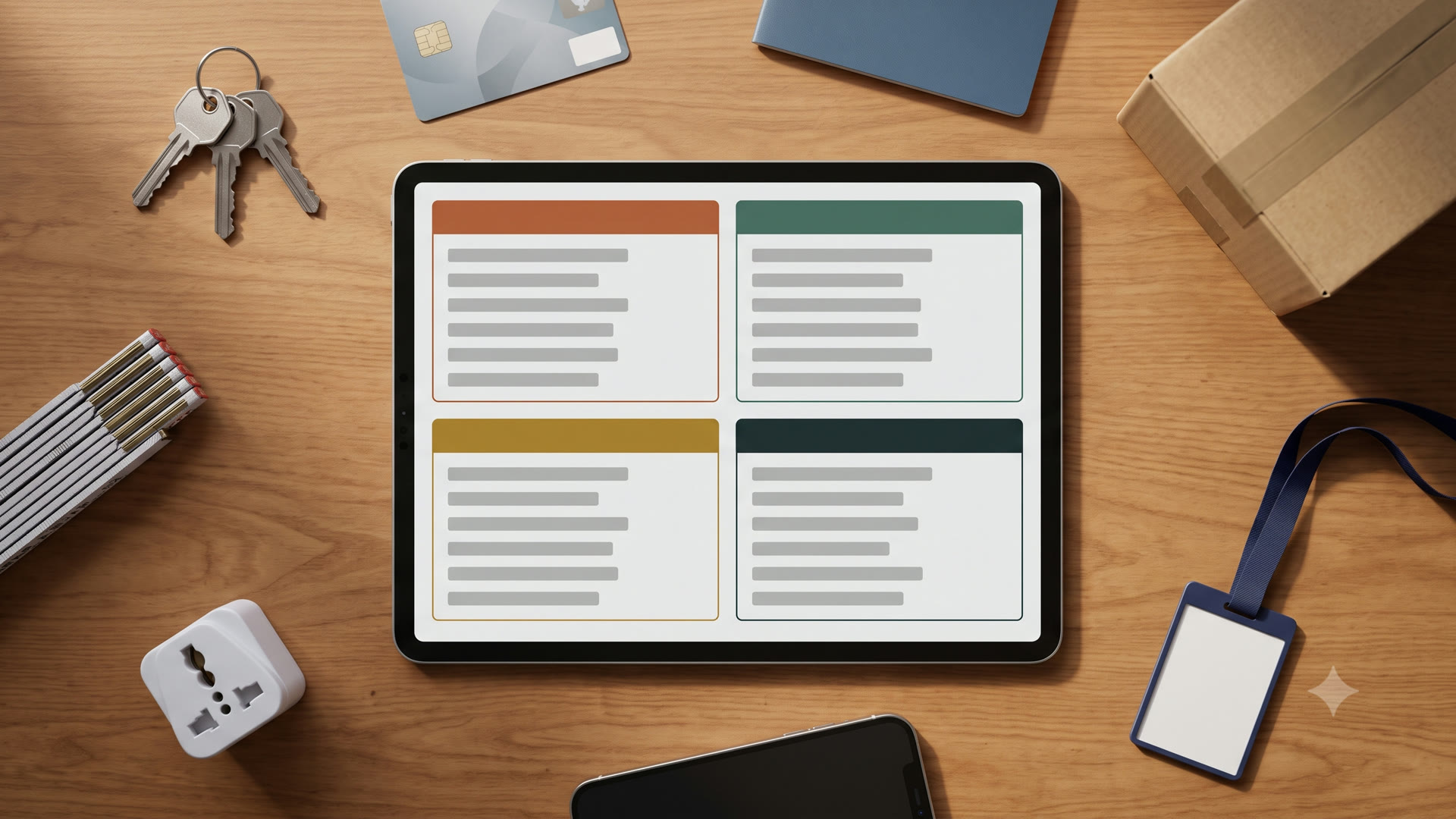
A practical PDF organized by the decisions returning NRIs need to make.
Platforms to compare resale options before the move
Donation routes and receipt questions to check
Car-sale options to compare before departure
International movers and quote questions to review
Keep your US number active from India
Bank-account options to review before you move
Transfer platforms to compare for fees, limits, and timing
Cost of living, safety, and quality of life data
Home-search platforms for India shortlisting
Coming soon — job platforms and networking groups
Comprehensive school ratings and curriculum details
Official IB and IGCSE school directories
Moving back to India after years abroad means making dozens of decisions. Most NRIs spend months researching, opening too many browser tabs, and still miss useful options. We have organized the research for you. The toolkit is practical and grouped by stage.
The free toolkit is for families who are tired of scattered tabs and half-useful recommendations. It organizes curated tools and platforms for selling, donating, shipping, banking, phone continuity, city research, housing, schools, and return logistics by stage of the move.
Ask the people who used them first.
4.8 average from 12 Google reviewsRead them on Google
The content published by DR has been a great help before our move back to India.
The personal stories, are realistic, positive and very valuable source for personal planning and decisions.
Definitely recommend for anyone planning to make a move back to India
Showing 3 of 12
Enter your details and we'll send the complete PDF directly to your inbox.
We respect your privacy. Unsubscribe at any time.
Worth setting up while everything's still fresh — the Planner takes the same checklist thinking and turns it into a real, trackable plan for your move.