Desi Return
ServicesToolsResource HubBlogAboutContact Us
Plan Your Return
Blog / Real Stories / Podcast
Podcast

H1B Stopped Me From Going Home When My Family Needed Me - Here's What Changed

When his grandmother passed away and his mother was paralyzed, Gaurav could not return home because his H1B was in processing. This wake-up call led him to question everything and eventually return to India after building financial independence.

Avinash, article author
Avinash
15 Jan 202618 min read18 min watch
In this story
  1. 01Key Takeaways
  2. 021. From Lucknow to America: The Dream Begins
  3. 032. Landing at Tesla: The High and the Low
  4. 043. The Crisis: Trapped by H1B During Family Emergency
  5. 054. Building Financial Independence: House Hacking & Real Estate
  6. 065. The Hidden Cost: Loneliness and Missing Life's Moments
  7. 076. The Final Wake-Up Call: Losing His Mother
  8. 087. The Decision: Choosing Family Over Green Card
  9. 098. Planning the Return: Financial Preparation
  10. 109. Life After Return: Freedom and Fulfillment
  11. 1110. Building in India: From Restrictions to Possibilities
  12. 1211. Advice for NRIs Facing Similar Decisions
  13. 13Final Thoughts: Redefining Success on Your Own Terms
Free tool · no signup

Should I move back?

Eight questions on money, family, work, and timing — scored, with the gaps named.

Open the tool
In this story
  1. 01Key Takeaways
  2. 021. From Lucknow to America: The Dream Begins
  3. 032. Landing at Tesla: The High and the Low
  4. 043. The Crisis: Trapped by H1B During Family Emergency
  5. 054. Building Financial Independence: House Hacking & Real Estate
  6. 065. The Hidden Cost: Loneliness and Missing Life's Moments
  7. 076. The Final Wake-Up Call: Losing His Mother
  8. 087. The Decision: Choosing Family Over Green Card
  9. 098. Planning the Return: Financial Preparation
  10. 109. Life After Return: Freedom and Fulfillment
  11. 1110. Building in India: From Restrictions to Possibilities
  12. 1211. Advice for NRIs Facing Similar Decisions
  13. 13Final Thoughts: Redefining Success on Your Own Terms
Real Return Stories - Episode #178
H1B Stopped Me From Going Home When My Family Needed Me - Here's What Changed

When visa restrictions prevented him from being there during his family's darkest moments, Gaurav realized he was chasing the wrong things. His journey from Tesla engineer to Indian entrepreneur reveals the hidden cost of the American Dream.

By Avinash, NRI Return Specialist Published: January 15, 2026
H1B Visa Tesla Engineer Financial Independence Entrepreneurship Family First

Watch the Full Interview: Gaurav shares his emotional journey from Lucknow to Milwaukee to Tesla, the wake-up call that changed everything, and how he built financial independence to return to India on his own terms.

H1B Stopped Me From Going Home When My Family Needed MeWatch the video
"Two months after I left India, my grandma passed away and my mom got paralyzed. I couldn't even go back because my H1B was in processing. That gave me this huge wakeup call of what is truly important in my life."

- Gaurav, Former Tesla R&D Engineer, Now Entrepreneur in Lucknow

Key Takeaways

  • H1B visa restrictions can prevent you from returning home during family emergencies, even life-and-death situations
  • Building passive income and financial independence while abroad gives you the freedom to choose when to return
  • House hacking (living in one room, renting others) can save 20-30% of income and accelerate wealth building
  • The loneliness and anxiety of visa uncertainty takes a severe mental health toll that is often underestimated
  • Returning to India does not mean giving up; it can mean gaining freedom to build, experiment, and live without restrictions
  • Your identity should not be tied to your visa status or location; define success on your own terms

Table of Contents

  • From Lucknow to America: The Dream Begins
  • Landing at Tesla: The High and the Low
  • The Crisis: Trapped by H1B During Family Emergency
  • Building Financial Independence: House Hacking & Real Estate
  • The Hidden Cost: Loneliness and Missing Life's Moments
  • The Final Wake-Up Call: Losing His Mother
  • The Decision: Choosing Family Over Green Card
  • Planning the Return: Financial Preparation
  • Life After Return: Freedom and Fulfillment
  • Building in India: From Restrictions to Possibilities
  • Advice for NRIs Facing Similar Decisions

1. From Lucknow to America: The Dream Begins

"I was brought up with humble beginnings in Lucknow. Since we didn't have a lot of resources, I felt like education was always the way to move ahead in life."

Gaurav's story begins like many Indian students who dream of studying abroad. Growing up in Lucknow without many resources, he focused intensely on education as his pathway to a better life. The movies he watched as a child painted America as a heaven—big buildings, clean streets, fancy cars, and endless opportunities.

That childhood fascination turned into concrete action. He took the SATs, gave the IELTS, and applied to universities—not knowing if anything would come of it, but willing to give it a shot. To his surprise, he received a scholarship and secured an education loan.

The Dual Degree Strategy

To cut costs, Gaurav pursued a dual program—completing part of his electrical engineering degree at Manipal University in India, then transferring to Milwaukee School of Engineering in Wisconsin for the final two years.

"Cutting down on cost was significantly important to me. I was like, hey, I'm getting best of both worlds so let's do that."

In 2014, at just 20 years old, Gaurav landed in Milwaukee—one of the coldest places in the US. He was alone, didn't know anyone, and had to navigate an entirely new system, culture, and way of life.

"Being in your very early 20s, just moving abroad not knowing anyone, not knowing any system—there are so many nuances and I was constantly hesitant: should I ask for help? Is this right?"

But the people he met—dormmates, potential managers, campus job supervisors—made him feel welcome. That warmth helped him transition from a reserved, hesitant student to someone who started understanding American culture and building friendships.

2. Landing at Tesla: The High and the Low

"I applied for like 10,000 jobs and got two calls back. One was from GE, one was from Tesla. Luckily I cracked both interviews."

After graduating, Gaurav landed his first job as a battery engineer in Wisconsin. But nine months later, he was let go. The experience was devastating—but it taught him a crucial lesson about job security.

He applied to thousands of positions and received just two callbacks: General Electric and Tesla. He chose Tesla and moved to Reno, Nevada, to work as an R&D engineer.

The Tesla Experience

Working at Tesla was an amazing experience professionally. But it also gave Gaurav his first major wake-up call about financial security.

"That gave me a huge wakeup call of how important having passive incomes or building wealth or some kind of cash flow is—contrary to the thinking that hey, you have to have a secure job."

The layoff shattered the belief he'd grown up with—that a job equals security. He realized that even at a prestigious company like Tesla, employment could end suddenly. He didn't want to ever go through that crushing experience again.

That's when Gaurav started his financial education journey. From 2019 onward, he devoured books, podcasts, and audiobooks about finances, passive income, asset classes, and wealth building.

3. The Crisis: Trapped by H1B During Family Emergency

"In 2018, my grandma passed away. Then my mom got paralyzed. It was the worst feeling where I cannot even go back because I just left India—2 months later both these things happen and now I can't return back home because my H1B is in process."

This is the moment that changed everything for Gaurav. Just two months after arriving in the US, two devastating events happened back home: his grandmother passed away, and his mother suffered paralysis.

He desperately wanted to be there. But he couldn't travel—his H1B transfer with Tesla was in processing. Leaving the country would jeopardize his visa status and potentially his entire future in America.

The Harsh Reality of H1B Restrictions

Many NRIs don't realize the full implications of H1B processing until they face a family emergency. During the processing period (which can take 3-6 months), international travel is extremely risky. If you leave the US, your petition may be considered abandoned.

This means missing:

  • Funerals of loved ones
  • Medical emergencies requiring family support
  • Weddings and major life events
  • Critical moments when your presence matters most
"That in itself gave me this huge wakeup call of what is truly important in my life and what I have been chasing and why I have been chasing. I started questioning myself a lot."

Then COVID hit, adding another layer of impossibility to returning home. Gaurav was stuck in the US, building his life while carrying the weight of not being there for his family during their most difficult time.

The anxiety became constant. He worried about layoffs, policy changes affecting his visa, and the uncertainty of his immigration status. Every day felt precarious.

"I felt I was always anxious—either if I'm going to get laid off or there are going to be some policy changes which affects my visa. It's not even like right now, it's 7 years or 10 years down the line."

For many H1B holders facing similar situations, understanding common financial mistakes when returning to India becomes crucial for planning an eventual exit strategy.

Free tool · no signupShould I move back?Eight questions on money, family, work, and timing — scored, with the gaps named.Open the tool

Done with you

The whole move, one plan

Most people assemble a move from six providers who never speak to each other. This is one plan and one quote covering the parts that actually depend on each other, built for your family.

Question 1 of 3

No spam. Unsubscribe whenever you like.

4. Building Financial Independence: House Hacking & Real Estate

"In mid-2020, I purchased my first home and I started house hacking—I'm living in one room and I have tenants in the other three rooms. That cut back on a lot of my rental expenses."

While dealing with family challenges and visa anxiety, Gaurav made a strategic financial move that would eventually enable his return to India: he bought his first property and started house hacking.

What is House Hacking?

House hacking is a real estate strategy where you buy a property, live in one part of it, and rent out the other parts to cover your mortgage and expenses.

Gaurav's Strategy:

  • Bought a home as his primary residence
  • Lived in one bedroom
  • Rented out the other three bedrooms to tenants
  • Rental income covered most or all of his housing costs
  • Saved 20-30% of his income that would have gone to rent

This wasn't just about saving money—it was about building equity and creating options. The family situation back home meant he needed to send more money to support them. House hacking freed up cash flow to do that while still building his own financial foundation.

"I had this extra burden of sending more money. I already supported my family back home but now I started sending more money. So I had to start creating ways of how can I get more money."
1

Education Phase (2019-2020)

Heavily consumed books, podcasts, and audiobooks about finances, passive income, and asset classes.

2

First Investment (Mid-2020)

Purchased primary residence and implemented house hacking strategy, saving 20-30% of income.

3

Scaling Phase (2020-2023)

Joined masterminds and communities, learned about different asset classes, started building equity portfolio.

4

Financial Independence (2023-2024)

Built sufficient equity and passive income to support return to India without needing immediate employment.

"I joined masterminds and got into these asset classes, started scaling slowly and steadily. I now have become a huge proponent of always investing money into learning things and getting information which you don't know."

For NRIs looking to build similar financial independence, the Financial Transition Blueprint provides a comprehensive framework for managing assets, investments, and tax planning before returning to India.

5. The Hidden Cost: Loneliness and Missing Life's Moments

"I don't truly have family here. I'm always missing family, missing events, missing my friends' weddings, birthdays—I'm not attending any of those. That was really bad for my mental health because it made me feel very lonely."

While Gaurav was building financial success in America, he was paying a price that's rarely discussed in immigration success stories: profound loneliness and the accumulating weight of missed moments.

The Loneliness of the H1B Life

Even during festivals, when his local friends would travel domestically to be with their families, Gaurav was left alone. He'd be on the phone instead of in person. He'd see photos of weddings he couldn't attend, birthdays he missed, and family gatherings happening without him.

"Even locally when there would be festivals, my friends who were local would go domestically to their family. I was still left alone, lonely."

This isn't just about missing parties—it's about missing the fabric of life itself. The small moments, the spontaneous gatherings, the ability to be there when someone needs you. The visa restrictions meant he couldn't just book a flight home for a weekend wedding or a family emergency.

The mental health toll was significant. The constant anxiety about visa status, combined with isolation and missing life's important moments, created a state of chronic stress that many H1B holders experience but rarely talk about.

"I don't want to live kind of like this where I am right now and I need to change it."

Gaurav realized he had two options: pursue the EB5 investor green card (requiring a $1 million investment) or return to India. He started working toward the EB5 route, slowly building the equity needed for that massive investment.

6. The Final Wake-Up Call: Losing His Mother

"In 2023, after 5 years, I finally got the green light that I could go back home. I come back and meet my family after 5 years. Two weeks later, my mom passed away. She was very young—she was 60."

After five years of being unable to travel due to visa processing and COVID restrictions, Gaurav finally received approval to visit India in 2023. He was reunited with his family after half a decade apart.

Two weeks later, his mother passed away. She was only 60 years old.

"That in itself gave me this huge wakeup call of what is truly important in my life and what I have been chasing and why I have been chasing. I started questioning myself a lot."

This moment crystallized everything. He'd spent years building toward a green card, accumulating wealth, and establishing himself professionally in America. But what was it all for if he couldn't be there for the people who mattered most?

His father was still alive. There was still time to give him the life he'd never had, to spend precious years together, to be present instead of absent.

"My dad is still alive. There are still family I can spend precious time with, give them the life which they've never had."

The plan had been to sell his real estate portfolio, use the equity to fund the EB5 green card investment, and continue building his life in America. But standing at his mother's funeral, that plan suddenly felt hollow.

7. The Decision: Choosing Family Over Green Card

"2024 started and I decided that at the end of my visa, I'm not going to be here. I'm still going to pursue entrepreneurship because that's what I feel I always am—I like to build stuff, I like to scale things."

In 2024, Gaurav made his decision: he would return to India at the end of his visa period. Not because he'd failed in America, but because he'd succeeded in understanding what truly mattered to him.

The decision wasn't easy. His identity had become tied to his American journey—the education loan he'd taken, the struggles he'd overcome, the prestigious job at Tesla, the years of battling visa issues.

The Identity Crisis of Returning

"It feels that your identity is tied to it, so it was very hard for me to let go. There also was this notion of like, hey, if you come back people might feel like you're a failure—that you couldn't make it or why didn't you get your green card."

Gaurav struggled with societal conditioning and pressure. Would people think he'd failed? Would they question why he gave up the green card pursuit?

But then came the liberating realization:

"Nobody's living my life. I'm living my life. I get to choose what I want and what happiness is for me. That's when I took the decision of coming back in 2025."

He returned to India in January 2025—exactly one year ago from this interview. And he considers it one of the best decisions he's ever made.

The Perspective Shift

"This just one year of doing so many things—I feel it's not a year, I feel it's been like 5 years, the amount of things which I have been able to do."

In hindsight, the decision feels obvious. But when you're in it—when your identity is tied to your visa status and your years of effort—letting go requires tremendous courage.

For those wrestling with similar decisions, the decision-making framework for returning to India can help clarify priorities and evaluate options systematically.

8. Planning the Return: Financial Preparation

"The first thing I wanted to do was go to my home base in Lucknow. I don't want to just jump from one chaos to another chaos. I want to go to a place where I can slow down a bit, take decisions, not just like 'I have to do this so I'll do that.'"

Gaurav's return strategy was thoughtful and deliberate. He didn't want to replicate the stress of American life in India—he wanted to create space to think clearly and make intentional choices.

1

Choose Home Base

Returned to Lucknow (tier-2 city) to stay with family for 3-5 months, giving himself time to decide next steps without pressure.

2

Calculate Runway

Determined he needed significantly less than $3,000-5,000/month to live comfortably in a tier-2 city, extending his financial runway.

3

Bring Startup Capital

Brought approximately $30,000 as startup capital—enough for 5-6 months of comfortable living while establishing passive income.

4

Sell & Donate

Sold car and major items; donated things that didn't sell; stored expensive items (like PC) with friends for potential future retrieval.

"I started calculating: how much money do I truly need? I don't need $3,000-5,000 to live in a tier-2 city like Lucknow. I would need significantly less."

The Financial Strategy

Gaurav's plan was to use his savings and cash flow to live for 5-6 months while keeping his expenses low. This would give him time to:

  • ✓ Reinvest into passive income sources
  • ✓ Build entrepreneurial ventures without pressure
  • ✓ Create monthly revenue streams (targeting ₹1-3 crore invested for passive income)
  • ✓ Live life out of choice instead of necessity

He also leveraged resources from the DesiReturn community and cross-border CPAs to navigate the complexities of returning—taxes, RNOR status, foreign asset reporting, and more.

"I joined your community and thanks for that. It helped me with a lot of resources—talking to cross-border CPAs, understanding how India works because I went as a kid and did not do taxes. I had no clue. I did not even have an Aadhaar card."

Planning Your Financial Transition?

Get expert guidance on managing your assets, understanding tax implications, and structuring your finances for a smooth return to India.

Download Financial Transition Blueprint

Book Tax Planning Consultation

9. Life After Return: Freedom and Fulfillment

"The biggest thing which I feel just went out of the window was that I am here in a place where I have freedom of doing anything. I can go out and become a stand-up comic or build a business or just post. There is no pressure on me."

The first two weeks back in India brought an unexpected feeling: calm. The constant anxiety about visa status, layoffs, and policy changes simply disappeared.

The Liberation of Returning Home

In America, Gaurav couldn't experiment with side businesses, couldn't post freely on social media about entrepreneurial ventures, couldn't take risks—everything could jeopardize his visa. In India, those restrictions vanished.

"I was so heavily restricted in the US to kind of like, 'You can only work your job, you cannot do anything else otherwise you will jeopardize your visa.' I never wanted to do that but I still wanted to always build. I cannot wait another 10 years or 30 years waiting for a green card so I can start my journey."

Major Life Changes in Year One

1

New Home for Family

Moved family from modest circumstances to one of the most luxurious places in Lucknow—a decade-long goal achieved.

2

Started Community

Built a community helping immigrants and visa holders invest in real estate and asset classes to gain financial freedom.

3

Traveled India

Visited 11 cities with his father and household staff, giving his father his first flight experience at age 60+.

4

Attended Life Events

Attended 7-8 friends' weddings, celebrated birthdays properly, spent festivals with family, hosted potlucks at home.

"I got to give my dad his first flight experience. He's never been on a flight. Also my caretaker—he's amazed. It was so nice to get those pieces of joy, seeing someone for whom it's not normalized."

The year felt like five years because of the density of experiences and meaningful moments—things that had been impossible during his time in America.

10. Building in India: From Restrictions to Possibilities

"For the last five-six years, my pain has been: I'm stuck to a job, I don't know about finances, what is a 401k, what is a Roth IRA—nobody taught me these things. I'm sure other people are facing that as well."

Gaurav turned his pain into purpose. He started helping other immigrants and visa holders understand real estate investing, asset classes, and building passive income—so they could have the financial freedom to make choices about their future.

The Mission: Financial Freedom for Visa Holders

His community focuses on helping people on visas start getting cash flow through real estate and other investments—even if it's just $3,000-5,000 per month. That buffer makes them comfortable enough to consider returning home without needing immediate employment.

"I started building a community to help immigrants or people who are on visas to invest in real estate or any asset class to start getting cash flow so that they can get some kind of passive income. Even just $3,000, $4,000, $5,000—so that they are comfortable to take that decision that if something happens, I'm comfortable moving back home and I do not need to work."

What India Offers That America Didn't

Aspect In America (H1B) In India
Career Freedom Restricted to single employer, can't start business Complete freedom to build, experiment, pivot
Financial Leverage Easy credit access, but tied to visa status Building leverage, but with more stability
Social Network Limited, mostly work colleagues Extended family, childhood friends, growing network
Mental State Constant anxiety about visa, layoffs, policy changes Calm, freedom to take risks
Life Experiences Missing weddings, festivals, family moments Present for everything that matters

Gaurav acknowledges that India has challenges—he misses the speed and efficiency of American systems, the ease of access to credit, and the exposure to diverse opportunities. But he's learned to create his own environment.

"I can create a very different environment around me. If there's trash, I'll live in a community which is very clean. If there's pollution, I can have an air purifier. Those are extra costs I shouldn't be bearing, but I feel those are all excuses people might have where they don't think of a solution."

The key insight: he has the freedom to build anything in India. If he needs entrepreneurs around him, he can move to Bangalore. If he needs specific resources, he can create them or find them. The restrictions that defined his American life are gone.

11. Advice for NRIs Facing Similar Decisions

"The biggest thing I would suggest is: consider where you are in life and what do you truly truly need instead of what do you feel society is telling you to do or act in a certain way."

Key Lessons from Gaurav's Journey

  • ✓ Define your own success: Don't let society or social media define what success means for you
  • ✓ Have a strong "why": Weak motivations collapse when challenges hit; deep personal reasons sustain you
  • ✓ Build financial independence first: Passive income gives you the freedom to choose when and how to return
  • ✓ Don't wait for the "perfect time": Life will always have more responsibilities; it never gets easier
  • ✓ Set a hard deadline: Give yourself 6 months to a year and commit to the date—then figure everything else out
  • ✓ Take one step: Even just booking a flight ticket creates momentum and forces clarity
"I was having a conversation with this guy who has three kids in the US, all are US citizens, and he also had the same thing but life kept coming in the way. As it's always going to be—more responsibilities in the future. It's never going to be easier for you to take that decision regardless of what stage of life you are in."

The Power of Taking One Step

"If you are adamant on taking that decision, do it now and decide. Give yourself a very short period of time—in the next 6 months or a year, we are going to move. We'll figure everything else out. Just have a hard date and take that step."

Gaurav emphasizes that clarity often comes after taking action, not before. He was still in panic mode when he made the decision—he didn't have everything figured out. But taking that first step forced everything else into place.

"The clarity came much after that. I was in panic still—what am I going to build? I don't have anything here, I don't know anyone, I don't have any resources. I literally in India just have my dad and nobody else. I don't know how business works, how taxes work. But all of those things are figuroutable. Everything is figuroutable."

Ready to Explore Your Options?

Whether you're considering returning to India or just want to understand your options, get personalized guidance from someone who's helped hundreds of families navigate this decision.

Book a Strategy Call

Join Inner Circle Community

Final Thoughts: Redefining Success on Your Own Terms

Gaurav's story isn't about giving up on the American Dream—it's about waking up to realize that the dream had become a cage. The H1B visa that was supposed to be a pathway to opportunity became a barrier to being present for the people and moments that mattered most.

His journey reveals uncomfortable truths about the immigrant experience that many don't talk about:

  • The mental health toll of constant visa anxiety
  • The accumulating weight of missed life moments
  • The identity crisis of letting go of years of effort
  • The societal pressure to "make it" abroad
  • The liberation that comes from choosing family over status

But it also shows what's possible when you build financial independence deliberately, make decisions based on your own values rather than external expectations, and have the courage to redefine success on your own terms.

"This just one year of doing so many things—I feel it's not a year, I feel it's been like 5 years, the amount of things which I have been able to do."

One year in India, living with intention and freedom, felt like five years of the life he'd been missing in America.

For the thousands of NRIs reading this who feel trapped by visa status, anxious about the future, and torn between career ambitions and family needs—Gaurav's message is clear: you have more options than you think. Financial independence creates choices. And sometimes the bravest thing you can do is let go of what you thought you wanted to embrace what you actually need.

"Nobody's living my life. I'm living my life. I get to choose what I want and what happiness is for me."

Your Return Journey Starts Here

Join 21,000+ NRIs who are planning their return to India with clarity, confidence, and community support.

Join Inner Circle Community

Financial Transition Blueprint

Book Strategy Consultation

Get access to expert guidance, proven frameworks, and a supportive community of returnees. Explore all services →

Editorial Summary

Gaurav's story is a powerful reminder that visa status should never define your worth or dictate your life choices. His journey from Lucknow to Milwaukee to Tesla to entrepreneurship in India demonstrates that true success isn't about where you live—it's about having the freedom to choose, the courage to let go of external expectations, and the wisdom to prioritize what truly matters. For NRIs feeling trapped by H1B restrictions or torn between career and family, his message is liberating: build your financial independence, define success on your own terms, and remember that everything is figuroutable.

Chapters

  1. 0:00 Introduction
  2. 1:34 Background
  3. 3:50 Life in US and why move to India
  4. 13:57 Planning
  5. 19:02 Life in India
  6. 24:31 Anything you miss from US
  7. 29:47 Advice to future aspirants

Transcript

Auto-generated captions, lightly cleaned

0:00 2 months later both these things happen and now I can't return back home because my H1B is in process that in itself gave me this huge wakeup call of what is truly important in my life and then what I have been chasing and why I have been chasing I started questioning myself a lot I felt I was always anxious of like either if I'm going to laid get laid off or there are going to be some policy changes which affects my visa And for examp it's not even like right now it's hey 7 years or 10 years down the line this just one year of like just doing so many things I feel it's it's not a year I feel it's been like 5 years like the amount of things which I have been able to do I feel like hey talk to this CP like cross border CPO do this I think I joined your community and thanks for that as well so that helped me with a lot of resources too that much as a hard decision it would I feel today and it's been exactly a

1:03 Year. It's been exactly a year I've come back and I feel that's one of the best decisions I could like ever take.

1:34 Thanks a lot Goro for joining us today and let's start a bit about your background and what made you to go to US. >> so Warren brought up with humble beginnings in India in a city called Lucknau. and since we didn't have a lot of resources, I felt like education was always the way to kind of like move ahead in life or like you know grow in life in general. So I focused a lot on education. and then that kind of led me to having this big bodacious goal of hey someday I will move abroad because when I was young I used to see a lot of these movies about like how America was or how abroad was and it really fascinated me because my environment around was nothing like that and I felt that this was this heaven kind of like a feel of like big buildings and everything is clean and cars and like all of those fancy stuff. So I got

2:36 Really intrigued at that point of time. but then eventually I think like things started to fall in place where I was like hey I'll maybe I'll give the SATs, maybe I'll just try for the ILTS, maybe I'll give those things and see where I stand. if nothing comes out, hey, I gave it a shot, right? but that moved on to actually me getting a scholarship, me getting an education loan and then eventually in 2014 I landed up in the US. but I was doing a dual program. So I did in India in Manipal and then after that it's a two-year degree in the US. so cutting down on cost was significantly important to me as well and I was like hey I'm getting best of both worlds so let's do that.

Read the full transcript (34 more sections)

3:25 And then I moved to the US in 2014 to do pursue my electrical engineering in Milwaukee School of Engineering. So I moved there to I think like one of the coldest places in the US in Wisconsin. but it was fun. So I think that was like the starting where kind of I landed and that's that was like one of the big reasons why I wanted to do that. >> Got it.

3:50 >> So how was the life in US? you know going as an undergradu student and then working there and how did it evolve? >> Oh man. >> I'll tell you I think like being in your very early like 20s just moving abroad not knowing anyone not knowing any system because there are so many nuances to it and there are so many things which you don't know about like the culture the system and I was so like reserved or hesitant of like hey I need help I need help should I ask about this if I do this or do that is this right and I was constantly in that emotion first. But then I felt like a lot of people I met like my domates my potential like manager who would hire me for a job like a like in the campus job made me feel very welcome and kind of like that started evolving into like friendships and then more likely I

4:51 Started to hang out with them understand how the culture works as well because it's a little different than like ours and then from there it transitioned into like me taking up a job. I was obviously living in like the dorm rooms. and from there professionally I luckily landed a job as a battery engineer in one of the company in Wisconsin. but what happened was I worked with them for 9 months and was let go after 9 months and almost I think applied for like 10,000 jobs and I got two calls back. One was from GE, one was from Tesla. luckily I cracked both the interviews. but I chose Tesla. So then I moved to Reno Neimad and I started working as a R&D engineer for Tesla. Amazing experience, really good experience working there. But that gave me a huge wakeup call of like how important like having side like passive incomes or like building like wealth or

5:53 Like some kind of cash flow is so important. contrary to the thinking of like hey you have to have a secure job cuz we inherently are like brought up that hey just get a job and that's secure that's when I had this aha moment of you know a job is not a security and if I if this thing again happens in my life I will be crushed I don't want to ever go through that so then I started learning like educating myself a lot about like finances about like how money works about passive incomes about asset classes And then 20 this was completely 2019 like after I received the job and I was working and I was also learning like heavily books, podcast, audio books all of that and then in 2020 I like mid 2020 I purchased my first home like primary dental home and I started house hacking that house hacking it is like I'm living in one room and like I have tenants in the other three rooms and that kind of cut back on a lot of my

6:55 Rental expenses where I'm like hey the thing was that during that time in 2018 to 2028 to like like beyond there were significant challenges in my family which happened so for example like I had a death in the family like my grandma passed away in 2018 because of which I I couldn't even go back home and then my mom also got paralyzed and it was the worst feeling where I cannot even go back because I just left India you know all healthy and everything. 2 months later, both these things happen and then now I can't return back home because my H1B is in processing with Tesla and then after that COVID happens and then all of that. So I literally cannot go back home. Yeah. >> So I'm still building my life in between and I'm also now I have this extra burden of like sending more money. I already supported my family back home but now I started sending more money. So I had to like start creating ways of like how can I get more money and that was one way where I'm like yeah I start

7:56 Saving more money and I'm saving 20 30% of my income which would go to a rental property. So I started doing that and then started spending that as well and then from there I joined masterminds and I got into these asset classes of learning about them started scaling slowly and like steadily joined different communities for example like the community kind of like how you have you're bringing people together there are other communities out there like which help solves like specific problems and I now have become like a huge proponent of that is like you always invest money into learning things and getting information which you don't know regardless of how sketchy or things it feels because you're still giving it a shot. and then from there I was still working at Tesla until 2022 where I kind of like in between I realized like hey I want to be a truly like a full-time entrepreneur because obviously there are so many things in that life when you're living that life

8:58 Where you're like hey I don't truly have like family here right I'm always like missing family I'm like missing events I'm missing my friends weddings I'm like birthdays I'm not attending any of those Right. So that was really like I I think like bad for me in my mental health because it made me feel like very lonely because I would always be on the phone instead >> and even locally when there would be festivals, it would be like my friends who were local would go domestically to their family, right? And I was still left like alone like lonely. So I think that was one huge part of it was I'm like I'm I don't want to live kind of like this where I am right now and I need to change it. So two options is like hey I can return back to either India or I can kind of potentially go move towards buying a green card right and like that's the EB5 route which I was potentially pursuing to invest a

9:58 Million like dollars in the economy and then did my EB5 but that was also a long part and then also you have to have a million dollars which I had no clue about but I was slowly gradually building towards it like from 2020 I started building equities and once that that time came. So this happened in 2023 after 5 years. my I finally got the green light of hey you can finally like your I140 or whatever is approved and then you can go back home do that and 2023 I come back home and I meet my family after 5 years right and 2 weeks later my mom passed away very young she's she was 60 so I think that in itself gave me this huge wakeup call of what is truly important in my life and then what I have been chasing and why I have been chasing. I started

10:59 Questioning myself a lot. that led to me deciding that hey and and by this [clears throat] time 2023 2024 I had built up like the equity piece in like as an equity not like hard cash but equity but my next step would be to just sell the portfolio and then you know pursue that green card >> and then 2023 comes in and I'm like shocked and I'm like I don't know but my dad is still alive like like there are still family I can spend spend precious time with give them the life which they've never had. So 2024 started 2020 yeah 2024 I decided that at the end of my visa I'm not going to be here. I'm still going to pursue entrepreneurship because that's what I feel I always am. I like to build stuff.

11:48 I like to like scale like things. which I think like I'm still doing now but 2025 starting I decided I'm going to come back and as much as a hard decision it would be I feel today and this it's been exactly a year it's been exactly a year I've come back and I feel that's one of the best decisions I could like ever take in my life hindsight because when you're in that decision always like because I feel your identity is tied to it and you feel that you've put so much effort into this that hey I took an education loan I went through all of that I came here I educated I I got educated and then I got a job and I was battling through these visa issues and then I'm doing all of that right and just to give that all up it feels that your identity is tied to it so it was very hard for me as well to kind of let go because there also was this notion of

12:48 Like hey if you come back people might feel like you're a failure that hey you couldn't make it or like why didn't you get your green card and stuff like that so that societal conditioning and pressure was also there but then eventually I realized like nobody's living my life right I'm living my life I get to choose what I want and what happiness is for me that's when I took the decision of like coming back in 2025 and it's been a wild ride right for the last year like the things which I've been able to experience things back I've been able to give to people like you know like my parents or like other people who I like really care and love about and just also trying out new things which I I was so heavily restricted in the US to kind of like hey you can only work your job you cannot do anything else otherwise you will jeopardize your visa and I never wanted to do that but I still wanted to always build and I cannot wait another 10 years or like 30 years like in the waiting for a green card so I can start my journey.

13:46 So yeah 2025 I came back and now I'm here and I can like talk more about like things about like what has happened there. >> Thanks for sharing the all the details

13:57 And sorry about the loss of your mom and you know the reasons like the huge wakeup call that you felt and then you know just made the decision. >> Sure. So the first thing which I wanted to do was because I'm returning back home I wanted to be in my home base because I'm like hey I I don't want to just jump from one chaos to another chaos right I want to go to a place where I can you know slow down a bit like take decisions not just like hey I have to do this so I'll do that I don't want to be in that space so I was like I'll come back to my hometown And the first thing is kind of like just stay with my like my in my previous house like where I born and brought up. And I'm like I'll stay here for the next 3 to 5 months and then like truly decide what do I truly want to do. So that was the first decision. like hey I have a home base I'm okay to kind of move there and then

14:58 Eventually for entrepreneurship or like building things I can always take that decision of moving either to Bangalore or like Mumbai or Dubai or any other place right that those things have changed now like from the previous planning but that when I was in that space that was the first it's like okay and then I started calculating hey how much money do I truly need because I don't need $3,000 $5,000 to live in a tier to city like Lucknau I would need significantly less. So my plan was that a whatever savings or like cash flow which I was getting I would just live for the 5 months year or five six months in LMA and then keep increasing that spread because now like my rents my fooding all of that has significantly gone down. So how can I create as much like extra leeway so that I can reinvest into something and I haven't figured that out as like what passive investments which I would like to invest in >> but I but I took that money in the last year but initially when I thought it was

15:59 More so I'll take that money and just park it into something which gives me that monthly revenue like for example it could be like 1 CR 2 CR 3CR which you just like passively put into something and then you're just living life and you're just ing like things out of choice instead of necessity that yeah I have to have a job I have to get a job otherwise and that's I think like majority of the concern what people has is like they don't want to come back to India and like get into the job market because again different cultures different way of working so that's what I never wanted to come back and like do a job that's when I transitioned I'm like hey I will just bring this much amount of money or like I'll sell a few properties here and then take that equity out and I just like keep it not park it anywhere but just for five six months I'll just utilize it for anything whatever I'm just taking it as like a startup capital for my life in India.

16:55 >> So I did that and that was I think close to around maybe like $30,000 like $30,000 which was more than enough for me to like in a deer to city for everything like all the expenses. and that what comes around to like $3,000 or something like dollars, right? Which is completely fine. and that was one thing like financials. The second one was obviously selling everything. That was chaotic. where I had to sell my car, I had to sell so many of my things. Obviously at the very moment I was a lot of the things didn't get sold. So I just like kind of like donated them as well. There were some things which were you know like for example like bigger PCs or stuff like which are much more expensive. So I just put them in like my friend's like garage and they were able to eventually sell or it's still like lying there. Maybe eventually if they return they'll like bring smaller stuff back or maybe if I go to the US like I'll bring it back myself.

17:57 Got >> that was more terms of the financials and kind of like the moving piece. and all the other pieces which I needed I feel like hey talk to this CPO like cross border CPO do this I think I joined your community and thanks for that as well. So that helped me with a lot of resources too that hey if you're doing this because there are a lot of things in India I have no clue about right because I went as a kid and I did not do taxes I was figuring all of that out in the US. So how India ran I had no clue. I did not even have aar card or whatever. So I had to get all of that. So just building on that from your resources as well. I reached out to CPAs and then kind of like just collecting resources here and there and that's that's how I was able to get and I'm still collecting resources, right?

18:46 >> It's I think it's always a constant journey but >> I feel just taking that one big step of like it's okay to do that because other people have done that and they'll show you the way. I think just that having that confidence is like so good to have. Great. Cool. No, thanks for sharing

19:03 That. So, let's talk about the life, right? I think you mentioned especially going back to your hometown, living in the place where you grew up, spending time with the with father. So, how did things evolve like how was the life after spending almost a decade in US? >> Oh man, huge contrast, right? Huge contrast. Like in the US, I didn't have family. I don't have freedom of choice. I felt I was always anxious of like either if I'm going to laid get laid off or there are going to be some policy changes which affects my visa and for example all the time and I didn't want to do that and when I came back to India that was the biggest thing which I feel just like went out of the window was that hey I am here in a place where I have

20:04 Freedom of doing anything. I can go out and become a stand-up comic or I can go out and build a business or I can just post. I don't have like there is no pressure on me or like I won't be like uprooted [clears throat] and be sent out to another country, right? Like or like move back to your country, right? That was one of the biggest things like relief which I felt in the first two weeks that I felt calm like like and then after that it was like okay like now let's start enjoying life like now let's start giving experiences to my parents who never had that lifestyle. So some of the big things which I did was I got a new home like in the same city in Lacno like we we moved from a place of like almost like poverty to kind of like one of the most like really luxurious place in Lucknau. So I wanted to do that for my family and that was a huge thing like a huge goal of mine which I feel was achieved where I always

21:05 Had that in mind that hey someday someday someday I'll like do that do that like over the last 10 years but then just coming back you forced into taking that decision and I'm like yeah that's I'll do that. So I think that was a huge thing which happened. and then the second thing kind of I think because I went through all that pain in the past 5 years of like hey I'm not I feel like stuck to a job. I don't know about what finances are like like what is a 401k? What is a Roth IRA? Like I don't know anything like nobody taught me like these things. So and then I started hey this is my pain and always has been my pain for the last five six years. I'm sure other people are facing that as well. So then just as a trial I started like just helping out people like hey where are you stuck hey how can I give you resources hey these are resources these are free resources you should look into and then eventually that kind of moved into people reaching out is like hey how can I get more help from this and that's when I kind of like

22:07 Started building a community out of it to help kind of immigrants or people who are on visas to just invest in real estate or any asset class to start getting cash flow so that they can like get some kind of passive income and it could be even just $3,000, $4,000, $5,000 so that they are comfortable to take that decision that hey if something happens I'm comfortable moving back home and I do not need to work back like work back home. So I started doing that that has been also growing. I visited traveled I think like 11 cities. 11 cities like and I took my dad my caretaker like people who are in my house. I I feel like I don't distinguish because that's like I don't know like I'm born and brought up into that. So I take all of them. So it was amazing that I got to give my dad his first flight experience. He's never been on a flight, right? So, also my caretaker, like my father's caretaker, like he he's like

23:09 Amazed and I think it was so nice to get those pieces of joy is that you're seeing someone because for me inherently it's so just normalized, right? Like getting on a flight. So normal for me, but you bring this person who's never seen like a like a tarmac or like at an airport being there and they're just like looking around. Just having that emotion of feeling is so good >> and I wanted to do that more. Yeah. >> So, traveled with my dad, went to a lot of different cities. attended like I think like seven or eight of my friends wedding and then them having kids, I was able to be like present there. >> amazing experience. Really really good. Like I I was able to spend festivals. I was able to like do my birthday, spend my dad's birthday like you know like I made him wear a cap and like just proper birthday feeling. was like so nice and it felt really really good. for example even like last week I hosted like a potluck at my home like

24:10 All my friends and everything bought food and we were like all there chitter chattering which was so which were so many things which I was missing in the US and I feel this just one year of like just doing so many things I feel it's it's not a year I feel it's been like 5 years like the amount of things which I have been able to do. No. sounds like

24:31 All positives, lot of things you know experiences in the last one year. So on the flip side, are there anything that you miss from US you know in the last one year? >> Yes, I definitely do. and again I'm not going to bash India because I understand like every country has its pros and cons, right? India if majority people would be like oh there's pollution oh there is u constant like no privacy like for you or the infrastructure right those things are very generic which you can see from like a third world country point of view right but I think like when people have to make a decision it's really like what do you at this phase of life truly want in your life right and maybe in your 20s it could be the flashy like kind of like going like hard and doing things but I feel like as I'm growing gold I also like kind of like peace and doing things my my base and kind of doing that and that is something which India has

25:31 Provided me but obviously there are so many things which I miss for example like I I really miss having speed and efficiency right speed and efficiency for example if I want to hypothetically in my business if I want to buy a home right I I still buy homes sitting in India in the US and the streamlining of that business of like hey I put in an offer like I have someone who signs on behalf of me there is a company title company who checks all the numbers and they make sure everyone's in place everything is done and boom I do that I think that is so hard over here doing that because there are so many red tape around like so many things and you'll have like bits and stops and you'll have to probably not always but probably pay someone to like move your things in line. That's one thing. And also that certainty of like hey if I do X Y will happen like if I like if I'm like doing this I know what the result

26:32 Is going to be. >> So sometimes here it's very no if this happens oh now you might have to do this as well or you might have to do do this as well. So that's one thing which I feel I lack. Obviously the friends and like people who I made connections with that's a second like second thing which I really miss but also and this is a part which I'm questioning right now because I feel like I'm in love maybe if I move to Bangalore or like another tier one city I will change my mindset towards it but I think like the financial leverage and opportunities which I've had in the US kind of like hey I'll go out to a bank and I can get a credit card very easily right But I still cannot have a credit card unless I put like into a BF like a secure and then borrow 80 or 90% towards it. Over there I was a student I just applied and got a credit card and I can still get a credit cards right so the ease of having like access to money and then also opportunities because it's

27:32 A melting pot right like all of different ideas and like things happening. So exposure to those like opportunities has been bogged down a little bit which is fine because I understand that's a huge change but now I can truly also move to Bangalore and then be surrounded by those people and potentially like some other country as well. but I don't know yet like that's something which I'm also constantly exploring and deciding but I think like I just had to take that one step for me to come back here and think clearly which I wasn't able to do that but I think yeah India has in general like I've realized that I can create a very different environment around me to neglect those things so for example if I would say like there's trash there's all of that I would live in a community which for example is like very clean or like one of these highrises or well cleanliness and like rules and all of that is very like taking taking place. I know warm if I go outside

28:33 Completely that's going to be a different story but I can create a very different kind of environment around me for example I get people would say pollution yeah I can have an air purifier in the house right and I know those are extra costs which I shouldn't be bearing >> but I feel those are all excuses people might like have where they might not think of a solution but they instead of just justifying that hey if this is x I won't do that right so I'm trying to do that a lot as well if I don't have entrepreneurs I'll move to Bangalore I'll surround myself with entrepreneurs. If I have X problem, I'll do Y. I think that's what the mentality I have like grown into or have built that. and for that I think like just moving back to India has been I think pretty easy I would say. and also partially because of the fact that I had built that portfolio which sustains me right now because if that wouldn't happen I might be in chaos but I know I since I have the freedom of building everything or anything over here I can build anything or like make like I would say

29:36 Not money but like I can create value in some shape or form very quickly if and that would kind of result in like an money afterwards right >> I think the key thing here is having

29:48 That kind of a financial stability right to pursue different things you know that kind of eases the mind to follow what your heart is saying and you know the options that you have. >> So thinking back I mean what advice would you give for people who are considering about moving to India you know from your experience? -huh. the biggest thing I would suggest people I think is a consider where you are in life and what do you truly truly need instead of what do you feel society is telling you to like do or act in a certain way because I faced that where when I actually had that conversation with a lot of people.

30:39 I was met with a lot of resistance of why are you doing this like you built this and you know this is going to happen or like you don't have any security just so many excuses right but then you truly have to truly realize because inherently we always keep telling ourselves that oh we'll move in the next 1 year in the next 2 years in the 3 years 4 years and I was having conversation with this guy who has three kids in the US all are US citizens and like they've like grown up and he also had the same thing but life kept on coming in the way and as it's always going to be more responsibilities going in the future it's never going to be easier for you to like take that decision regardless of what stage of life you are in I think >> if you are adamant on taking that decision do it now and decide give yourself a very short period of time of like hey in the next 6 months or a year I don't know we are going to move we'll figure everything else out and just have a hard date of doing that and then just

31:40 Take that step because I feel like having taken that step that was such an important thing for me where the clarity came much after that like because I was in panic still I'm like what am I going to build I don't have anything here I don't know anyone I don't have any resources I literally in India just have my dad and nobody else I don't know how business work how taxes work how but all of those things are figured routable right everything [clears throat] is figure outable and that's what I feel is like if you are in that boat of taking that decision just take one step like just take one step it could be also just booking a flight ticket back home right year from now and just having a hard date just one step so that's something which I would say >> yeah I think the decision is the most important one and then I think the other things fall in place yeah >> correct thanks a lot go really appreciate you taking the time sharing your journey How you know couple of things change has given a huge wakeup call. I mean because

32:42 You are in two minds and you are a person who find resources right I think you know when something you're trying to solve the problems and create and how to navigate and move it forward. So good luck with everything. I know you have big ambitions and and I wish you all the best and thanks again for joining us and sharing your story with us. appreciate it. >> Thank you so much. Thank you so much for having me on the call as well. >> Yeah. And keep doing the awesome job which you're doing for other community members as well. We appreciate Thanks.
Share this article
WhatsAppLinkedInXFacebookEmail

Done with you

The whole move, one plan

Tax, money, logistics and paperwork — quoted together for your family.

Question 1 of 3

No spam. Unsubscribe whenever you like.

The episode
Format
Video conversation
Length
18 min
Recorded
15 Jan 2026
Watch the conversation
Free tool · no signup

Should I move back?

Eight questions on money, family, work, and timing — scored, with the gaps named.

Open the tool
FAQ

Questions people ask

Generally, you cannot travel internationally while your H1B transfer or initial H1B petition is pending unless you have a valid H1B visa stamp and your previous H1B is still valid. If you leave the US during processing without proper documentation, your petition may be considered abandoned. Always consult an immigration attorney before making travel plans during H1B processing.
Standard H1B processing can take 3-6 months. Premium processing (additional $2,500 fee) guarantees a response within 15 calendar days. During this time, international travel is risky and may jeopardize your application. Many NRIs face this dilemma when family emergencies arise during processing periods.
House hacking means buying a primary residence and renting out rooms or units to offset your mortgage. H1B holders can buy property and house hack as long as they live in the property as their primary residence. This strategy helped Gaurav save 20-30% of his income by eliminating rental expenses while building equity.
Financial advisors recommend 2-3 years of living expenses saved before returning. Gaurav brought approximately $30,000 as startup capital for his life in India (a tier-2 city), which provided a comfortable buffer for 5-6 months while establishing passive income streams. Metro cities like Bangalore or Mumbai would require more—typically ₹15-25 lakhs per year for a family.
EB5 is an investor green card program requiring a minimum investment of $800,000 (in targeted employment areas) or $1,050,000 (standard) in a US business that creates at least 10 full-time jobs. Processing can take 5-7 years. Gaurav considered this route but ultimately chose to return to India instead of waiting and investing such a large sum.
H1B holders can invest in real estate (rental properties), stock market, dividend-paying investments, and other passive income sources. You cannot actively work for another employer or run a business that requires your active participation. Gaurav built his portfolio through real estate investments, house hacking, and learning about asset classes through masterminds and communities.
RNOR (Resident but Not Ordinarily Resident) is a special tax status for returning NRIs that provides significant tax benefits for 2 years after return. Foreign income and capital gains from foreign assets are not taxed in India during RNOR period. This is the optimal time to withdraw from 401(k), sell foreign properties, or realize capital gains tax-efficiently.
Keep reading

Related guidance

Rohan speaking with Avinash about moving from Sweden to Hyderabad and his first year back in India
Podcast · Real Stories

He Left Sweden for India. One Year Later, Was It Worth It?

YouTube thumbnail for Desi Return interview with Rajesh about moving his family back to India after 12 years in the US
Podcast · Real Stories

After 12 Years in the US, Why He Finally Moved His Family Back to India

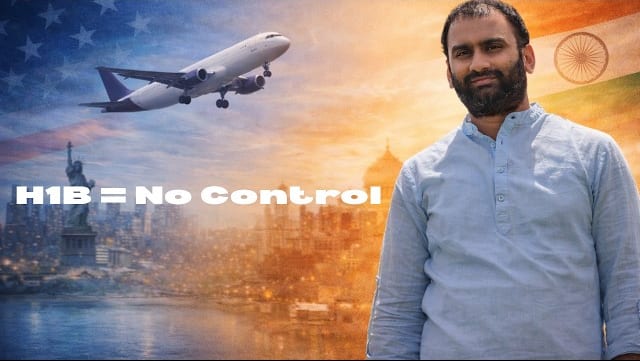
Family chose India over the US after 10 years on H1B because of green card backlog and family priorities
Podcast · Real Stories

Why We Chose India Over the US After 10 Years (H-1B Reality)

Talk it through with someone who has done it

A 30-minute call on the one decision you're stuck on.

See how it works
Desi Return

We help NRIs and the Indian diaspora who are considering moving back or retiring in India make their transition smooth and successful with expert guidance, community support, and tailored resources.

Useful Links
AboutServicesContact UsFind Us Online
Explore
Resource HubToolsPlannerBlogPodcastFAQ
© 2026 Desi Return. All rights reserved.
Privacy PolicyTerms and Conditions
Partner services are fulfilled directly by the independent companies named above; Desi Return may earn a referral fee at no extra cost to you. Nothing on this page is tax, legal, or financial advice — always confirm specifics with the partner or your own advisor.
Your bag

Your bag is empty. Add a service to get started.