Reverse Mortgage vs Renting Out vs Selling India Property at 60+

- Reverse Mortgage
- Renting Out
- Selling India Property at 60+
Aging parents and senior returnees often find themselves 'house rich and cash poor' with valuable ancestral real estate generating negligible cash flow. We compare reverse mortgage schemes, long-term leasing, and outright sales.
Compared on
The senior real estate dilemma in India
It is extraordinarily common across Indian cities to find senior citizens living in sprawling ancestral bungalows or large prime-location apartments valued at ₹3 Crore to ₹8 Crore, while struggling to meet monthly living and medical expenses on modest fixed pension income.
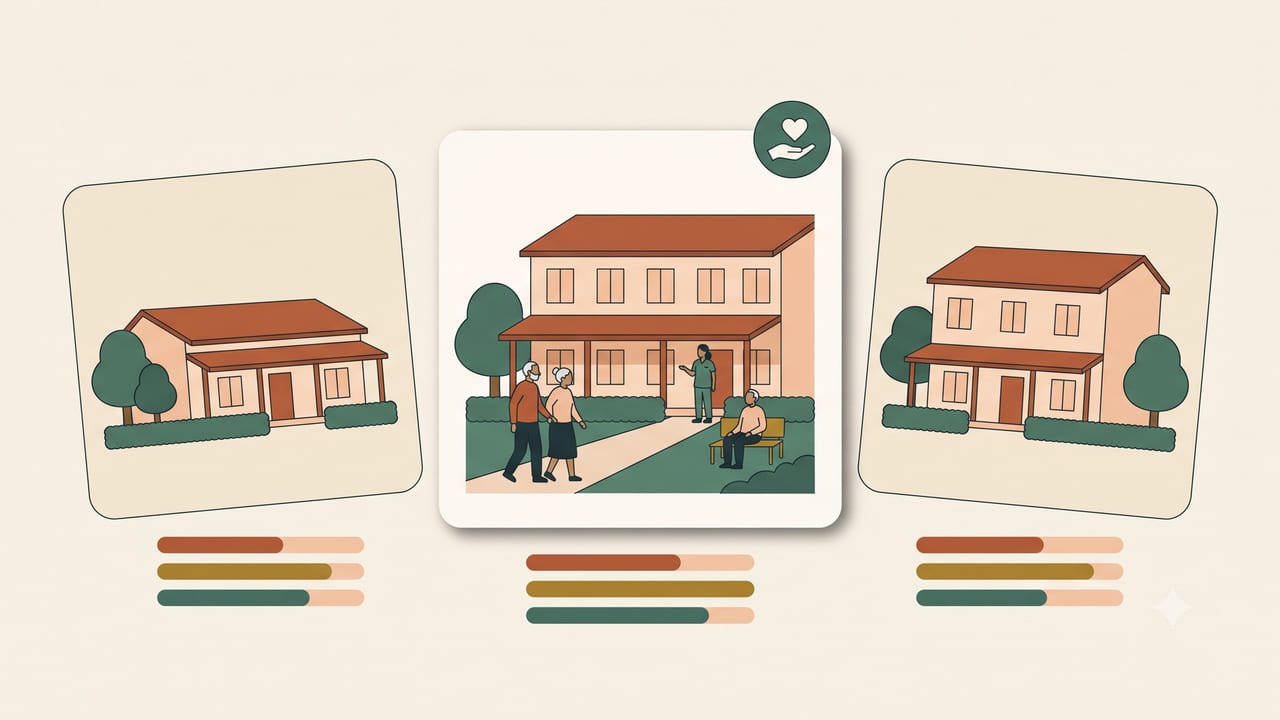
When liquidity is needed to fund retirement townships, medical emergencies, or living comfort, seniors face three choices: enroll in a Reverse Mortgage Loan (RML), rent out the property, or execute an outright sale and deploy the capital into financial assets.
Three monetization pathways compared for seniors (2026)
| Strategic Option | Monthly Cash Flow Potential | Tenancy / Management Friction | Tax Implications | Legacy for Legal Heirs |
|---|---|---|---|---|
| Reverse Mortgage Loan (RML) | Modest regular annuity (₹30,000–₹65,000/mo) | Zero (Senior continues living in own home) | 100% Tax-Free under Section 10(43) | Heirs must repay loan balance + accrued interest to claim property |
| Rent Out & Downsize / Move to Senior Living | Moderate (2.5%–3.5% rental yield) | High (Tenant management, plumbing repairs, vacancy risk) | Taxable as House Property income (30% standard deduction applies) | Property title preserved 100% for legal heirs |
| Sell Outright & Reinvest in Debt/Hybrid Funds | Highest (7.0%–8.5% safe withdrawal yield) | Zero once sold | Capital gains tax applicable (Exemptions under Section 54/54EC) | Liquid financial portfolio passed cleanly without property disputes |
Why Reverse Mortgages have seen low adoption in India
Introduced by the Reserve Bank of India and National Housing Bank, the Reverse Mortgage scheme allows senior citizens (aged 60+) to pledge their residential home to a bank and receive monthly tax-free annuity payments without ever facing eviction during their lifetimes.
However, Indian commercial banks cap reverse mortgage payouts conservatively: loans rarely exceed 60% to 75% of assessed property value, maximum monthly payments are often capped at ₹50,000 to ₹75,000 regardless of whether the home is worth ₹10 Crore, and maximum loan tenures are limited to 20 years. For high-value properties, selling and reinvesting yields vastly superior income.