Life Sciences Careers in India for Returning NRIs
A practical career map for NRI scientists returning to India: biotech, pharma, clinical research, medtech, life sciences GCC roles, salary expectations, cities, networking, and Dr. Pushpam's Boston-to-Bengaluru story.

In this story
- Key Takeaways
- 2026 Career Map for Returning NRIs in Life Sciences
- Academic & Professional Background
- The Turning Point — Why He Returned
- How He Planned His Transition
- Career Search Tips for NRIs in Biotech and Life Sciences
- Logistics & Relocation Experience
- Settling In — Family & Career in Bengaluru
- Comparing Work Culture — U.S. vs India
- Surprises After Moving Back
- Mindset & Advice for Future Returnees
- Quick Facts ("Rapid Four")
- Video Transcript: Life Sciences Career Transition to India
- Frequently Asked Questions About Life Sciences Careers in India for NRIs
- Related Articles
A practical role map for NRI scientists and life sciences professionals moving from US, UK, Canada, Europe, or Singapore to India's biotech and pharma ecosystem.
Key Takeaways
- Best-fit roles: returning NRIs should map themselves to R&D, clinical research, regulatory affairs, quality, manufacturing/MSAT, medtech, life sciences consulting, or GCC data/product roles before applying.
- Best-fit cities: Bengaluru is strong for biotech R&D and GCCs; Hyderabad/Telangana is strong for pharma, biologics, clinical research, manufacturing, and life sciences innovation.
- Strongest signal: global lab, FDA/EMA, GxP, clinical, AI/data, automation, regulatory, and cross-functional program experience can travel well to India.
- Weakest strategy: applying only through job portals. Referrals, alumni networks, conference networks, and company career pages matter more for senior science roles.
- Transition timeline: allow 6-12 months for a serious search, salary calibration, notice period, shipping, schooling, tax residency, and India settling logistics.
yes, returning NRIs can build serious life sciences careers in India, but the winning path is rarely "send resume, wait for portal reply." Start with a role map, pick target cities, calibrate India compensation, show proof of global scientific execution, and build referral paths into companies doing work close to your domain.
2026 Career Map for Returning NRIs in Life Sciences
Most NRI scientists lose time because they search too broadly: "biotech jobs in India", "pharma jobs in India", or "life sciences jobs India". Better approach: choose the role family first, then choose city and company list. India demand is spread across discovery research, biologics, generic pharma, clinical trials, regulatory, quality, manufacturing, medtech, diagnostics, consulting, and global capability centres.
Industry signals support this wider map. IBEF notes India pharma is targeting US$130 billion by 2030 and biotech is also a major growth target; IBEF's pharma industry profile and biotechnology profile are useful baselines. Telangana's investment portal positions Hyderabad as a major life sciences and pharma hub with thousands of companies and USFDA-approved facilities; see Invest Telangana's pharma overview.
Where your overseas life sciences experience fits in India
| Overseas experience | India role families to target | What to prove in interviews |
|---|---|---|
| PhD, postdoc, discovery biology, chemistry, assay development | Discovery R&D, translational research, bioassay, platform biology, drug discovery programs | Publications matter less than reproducible execution, assay ownership, cross-functional work, and program outcomes. |
| Clinical research, CRO, trial operations, medical writing | Clinical operations, project management, data management, pharmacovigilance, medical writing, real-world evidence | Show protocol discipline, site/vendor management, audit readiness, and ability to work across time zones. |
| FDA, EMA, GxP, QA, validation, manufacturing science | Quality, validation, regulatory affairs, MSAT, tech transfer, biologics manufacturing, API/formulation manufacturing | Show inspection exposure, deviation/CAPA thinking, documentation discipline, and scale-up judgement. |
| AI, bioinformatics, data science, automation, product, consulting | Life sciences GCCs, health-tech product teams, analytics, computational biology, commercial strategy, consulting | Show biology plus data fluency, stakeholder translation, and measurable business or research impact. |
| Medtech, diagnostics, devices, commercial, market access | Medtech R&D, diagnostics, product management, application science, medical affairs, market access | Show India-market adaptability, hospital/provider understanding, regulatory pathway awareness, and launch experience. |
City short-list before applying
- Bengaluru: biotech R&D, GCCs, data/product, pharma research centres, startup networks, and cross-functional roles.
- Hyderabad: pharma, biologics, clinical research, manufacturing, regulatory, medtech, and life sciences innovation clusters.
- Pune, Mumbai, Ahmedabad, NCR, Chennai: pharma, devices, consulting, commercial, manufacturing, regulatory, and quality roles depending on company footprint.
Action step: build a 30-company target list, split by role family and city. For each company, find the India career page, one relevant scientist or hiring manager, one HR contact, and one alum or mutual connection. Then pair your search with the return-to-India jobs guide, the NRI return checklist, and the Desi Return planner so career, tax, banking, school, and shipping timelines stay connected.
Academic & Professional Background
Dr. Pushpam's Educational Journey
- B.Sc. Chemistry — Jadavpur University, Kolkata
- M.Sc. Chemistry — Indian Institute of Science (IISc), Bengaluru
- Ph.D. Chemistry — University of Massachusetts Amherst (focus: DNA bioprobes & cell-signaling pathways)
During his Ph.D., Pushpam's lab worked at the intersection of biochemistry and molecular biology, developing DNA-based probes to study intracellular signaling.
After graduation, he joined Laron Bio, a Boston-area biotech firm specializing in RNA-based therapeutics—an area that has exploded with mRNA vaccines and gene-silencing platforms.
Like many NRI professionals, Dr. Pushpam had to carefully plan his financial planning for NRI returning to India, including managing his retirement accounts and understanding tax implications.
🎯 Planning Your Career Transition? Book a 60-Min Career Strategy Call to discuss your specific field and opportunities in India.
The Turning Point — Why He Returned
Even while building a career in the U.S., he says, "the thought of moving back was always there."
Key Motivators for Returning
- Family proximity: wanting to be close to parents and siblings
- Contribution: a desire to use global experience for India's scientific growth
- Patriotic purpose: "Maybe it sounds patriotic, but I felt I could contribute more here"
Eventually, he joined Biocon Bristol Myers Squibb Research & Development Center (BMS R&D) in Bengaluru, focusing on drug discovery, screening, and bioassay research.
According to India's pharmaceutical and biotech sector data, the industry is projected to reach $130 billion by 2030, creating significant opportunities for returning scientists. This growth reflects India's emergence as a global biotech hub with world-class research facilities.
How He Planned His Transition
He didn't set a fixed "return by" date. Instead, he maintained flexibility until the right role appeared.
Timeline Highlights
- Began exploring Indian opportunities during his H-1B period
- Used an 8- to 9-month window for applications and networking
- Balanced scientific alignment (continuing cutting-edge research) with realistic salary expectations
- Relocated within a year of deciding, once Biocon BMS extended an offer
Understanding tax planning strategies for NRI returning to India is crucial during this transition period, especially when managing income from both countries.
🎯 Ready to Plan Your Structured Transition?
Enroll in Financial Transition Blueprint
Get a step-by-step roadmap for planning your return to India.
💡 Need Personalized Guidance? Book a 30-Min Planning Call to discuss your timeline and career goals.
Career Search Tips for NRIs in Biotech and Life Sciences
Actionable Career Search Advice
- Start networking early. Reach out to scientists and HRs in India via LinkedIn, conferences, or alumni networks
- Don't rely solely on portals like Naukri or Indeed — many R&D roles are unlisted until insiders refer candidates
- Balance salary expectations. U.S. Ph.D.s typically expect more than Indian industry scales, so find a sustainable midpoint
- Highlight global skills. Indian biotech values scientists who can bridge research rigor and applied innovation
⚠️ Networking Hack: Pushpam co-hosted a community program called PG Talk Show, connecting Indian biotech professionals abroad and at home — which directly helped him secure referrals.
🤝 Connect with Industry Professionals
Join the Inner Circle Community
Network with NRI returnees across industries, including life sciences and biotech.
Logistics & Relocation Experience
Once the job was finalized, Universal Relocations handled the entire move.
He emphasizes that the mental decision is harder than the physical shipment:
Key Logistics Takeaways
- Choose a mover experienced with U.S.–India customs documentation
- Maintain a U.S. phone number for bank OTPs and tax records
- Consolidate credit cards and bank accounts before departure
- Transfer 401(k) to IRA if needed; open an NRE/NRO account in India in advance
Many returnees wonder about 401k withdrawal rules for NRI moving to India. You have several options including keeping your 401(k) in the U.S., rolling it over to an IRA, or taking distributions while managing tax implications.
📱 Maintain Your U.S. Number
🏦 Set Up NRI Banking
📦 Trusted Shipping Partners
Settling In — Family & Career in Bengaluru
Living near siblings and in-laws made the transition emotionally smooth:
Professionally, he's thrilled:
Career Highlights in India
- Continues drug-discovery research and assay development, his preferred domain
- Enjoys a large-scale R&D environment comparable to U.S. labs
- Finds scientific challenges and deadlines similar, with collaborative teamwork
Comparing Work Culture — U.S. vs India
Pushpam calls U.S. work culture "more structured," but notes India's evolution:
Work Culture Comparison
| Aspect | United States | India |
|---|---|---|
| Deadlines & Accountability | Highly structured timelines | Similar intensity in high-stakes projects |
| Flexibility | Process-driven, less personal empathy | Time-bound pressures balanced by greater personal empathy |
| Startups vs Corporates | Fast-paced startup culture | Indian biotech startups mirror U.S. pace; large firms offer international standards |
| Research Quality | World-class facilities | Top Indian labs now match international standards |
For professionals in other fields, the experience can be similar. Read about NRI software engineers transitioning to tech careers in India for insights on navigating India's evolving work culture.
Surprises After Moving Back
1. Cost of Living
"Bengaluru was more expensive than I expected." But domestic help and community support offset stress.
2. Digital Payments
"UPI blew my mind — it's everywhere!" The seamless digital payment infrastructure exceeded expectations.
3. Traffic
Driving again felt daunting after years in Boston's orderly roads. The chaotic traffic took adjustment.
4. Lifestyle Balance
The availability of help and family makes daily life easier than it looks on paper.
Mindset & Advice for Future Returnees
Essential Advice for NRI Scientists Returning to India
- List your priorities: Family, career scope, research freedom, lifestyle
- Plan early but stay flexible: Opportunities may take 6–12 months to align
- Use community forums like RTI (Return to India) to learn from others
- Avoid purely emotional decisions: Move with clarity, not impulse
🎯 Ready to Make Your Move?
Join the Inner Circle Community
Connect with thousands of NRI returnees who've successfully navigated the transition.
Quick Facts ("Rapid Four")
| Question | Answer |
|---|---|
| Biggest Surprise | Cost of living & how widespread UPI is |
| Dream Destination | Himalayas / Kashmir / Himachal |
| Favorite Food | Indian vegetarian fare |
| Best Part of India Life | Being close to family and parents |
Video Transcript: Life Sciences Career Transition to India
In this episode, Dr. Pushpam shares his complete journey from earning a Ph.D. in Chemistry at University of Massachusetts Amherst to building a successful career at Biocon Bristol Myers Squibb R&D Center in Bengaluru. He discusses his experience working in Boston's biotech ecosystem at Laron Bio, focusing on RNA-based therapeutics and mRNA vaccine development. The conversation covers practical networking strategies for finding biotech jobs in India, salary negotiation tips for NRI scientists, and the mental and logistical aspects of relocating from the United States to India. Dr. Pushpam emphasizes that the decision to return is 90% mental and 10% physical, and shares insights on work culture differences between U.S. and Indian biotech companies. He also discusses the surprising aspects of living in Bengaluru, including cost of living, digital payment infrastructure (UPI), and the importance of maintaining family connections. The episode provides actionable advice for NRI scientists considering a return to India, including how to use community forums like RTI (Return to India) and networking platforms like PG Talk Show to connect with other professionals. Key topics include H-1B visa considerations, timeline planning for career transitions (6-12 months), and the importance of balancing scientific ambitions with realistic salary expectations when moving from U.S. biotech to Indian pharmaceutical companies.
Frequently Asked Questions About Life Sciences Careers in India for NRIs
Q: Which life sciences roles in India fit returning NRIs best in 2026?
A: The strongest matches are usually discovery R&D, clinical research, regulatory affairs, quality, validation, manufacturing science, biologics, medtech, diagnostics, medical writing, pharmacovigilance, life sciences consulting, and GCC data or product roles. Pick one role family before applying.
Q: How do I find biotech jobs in India as an NRI scientist?
A: Start with referrals, not portals alone. Build a target list of Indian biotech, pharma, CRO, diagnostics, medtech, and GCC employers. Contact scientists, alumni, conference connections, HR partners, and hiring managers on LinkedIn. Many senior R&D roles appear first through networks.
Q: Is Bengaluru or Hyderabad better for life sciences careers after returning to India?
A: Bengaluru is usually better for biotech R&D, GCCs, startups, data/product roles, and cross-functional science teams. Hyderabad is usually stronger for pharma, biologics, clinical research, manufacturing, regulatory, quality, and large life sciences clusters. Shortlist both if family logistics allow.
Q: What salary should PhD scientists expect when returning to India?
A: Expect a reset from US or Europe compensation. India salary depends on role family, city, company type, seniority, regulatory exposure, and people-management scope. Benchmark with peers before interviews and negotiate total compensation, not only base salary.
Q: How long does it take to find a biotech or pharma job in India from abroad?
A: Plan for 6-12 months if you need a senior, domain-matched role. The search takes longer when you need specific city, school timing, spouse career fit, notice period, visa or OCI logistics, tax planning, and international relocation sequencing.
Q: Can I continue cutting-edge research after returning to India?
A: Yes, but target carefully. Look for companies and labs with active discovery programs, translational platforms, biologics, clinical development, diagnostics, automation, or data-heavy life sciences work. Ask about project ownership, publication/IP rules, budgets, instrumentation, and decision speed.
Q: What work culture differences should NRI scientists expect in Indian biotech companies?
A: Expect strong deadlines, more relationship-driven communication, wider variance between companies, and more context switching than mature US labs. High-quality Indian teams can be globally competitive, but you should validate manager style, decision rights, documentation standards, and commute reality.
Q: What should I prioritize before moving back to India as a scientist?
A: Prioritize role fit, target city, family support, salary realism, school timing, tax residency, banking, health insurance, shipping, and backup plan. The career decision should connect with the full return plan, not run separately from family and finance decisions.
Q: What are biggest challenges when relocating from US biotech to India?
A: Common challenges are compensation adjustment, role-title mismatch, slower hiring loops, commute, school timing, spouse career fit, documentation, and emotional uncertainty. Dr. Pushpam's lesson still applies: physical relocation is manageable; mental readiness and role clarity matter more.
Q: Do Indian life sciences companies value overseas PhD or industry experience?
A: Yes, when it maps to business needs. Overseas credentials help most when backed by assay ownership, clinical or regulatory exposure, GxP discipline, cross-functional execution, data fluency, team leadership, patents, launches, or visible project outcomes.
Key Takeaways
- Network > Portals: Most Indian biotech roles fill through referrals
- Salary balance matters: Align expectations early to avoid offer shocks
- Mental transition first: Clarity beats speed
- Infrastructure evolved: India's labs and digital systems are now world-class
- You're not alone: Thousands of scientists are building careers back home
Your Next Steps
Dr. Pushpam's story is proof that India's life-sciences landscape now offers genuine global-standard R&D opportunities. With careful networking, balanced expectations, and the right mindset, NRI scientists can find both cutting-edge science and a meaningful life close to family.
Connect with returnees and get expert guidance for your career transition.
📞 Book Consultation
🏦 Set Up NRI Banking
Chapters
- 0:00 Introduction
- 1:10 Background
- 5:00 Tips for people living abroad
- 9:00 Moving back to India
- 11:40 Logistics
- 12:40 Transition
- 14:20 Work Culture
- 15:50 Cost of Living
- 17:00 Things he misses
- 17:45 Advice for moving back to India
Transcript
Auto-generated captions, lightly cleaned
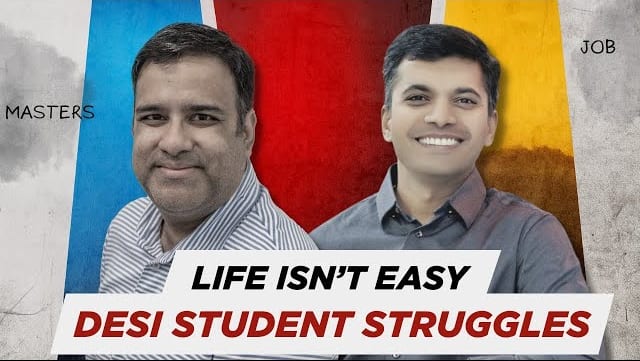
0:00 Foreign Diaries embracing home again the podcast that shares personal Journeys and expert insights on returning to India I'm your host Avinash pedi here to guide and inspire you on your Desi Return Journey hello everyone welcome back to Desi written podcast I am very excited with our guests today pushpam who has lived in U.S for seven years before moving back to India he had he did a PhD in U.S and working in a biotech which brings a different perspective from a professional background in terms of motivation career transition and so on so I'm really excited to have him on the
1:01 Show and welcome pushpam to the podcast for having me great so why don't we start with you
1:12 Know a bit of your background you know your education professional background and what made you to move back to India so I think that would help let's just set the stage for our audience yeah I'd be happy to share that so I have done my BSC from jalapur University Kolkata in chemistry and from there onwards actually I moved to ISC Bangalore where I did my masters also in the chemistry department so when I was doing my masters I felt that I want to pursue PhD and for that I was thinking of doing it in different European countries or in the US so I got an opportunity in UMass Amherst in Massachusetts so there I got a I got a PhD degree in chemistry so even though our department was chemistry Department we were focusing mainly on like at least our lab was focusing on biochemistry we worked on different DNA based probes and with that with the help of those probes
2:12 Actually we tried understanding Celsius simulating pathways so that's bit of background about my PhD so after the PHD what I wanted to do is work in the industry especially in Massachusetts around Boston there are so many startups and companies focused on biotech so that was a sweet spot for me also now I went there for a scientist position in a company called LaRon bio where we were majorly focusing on rna-based Therapeutics right now the field is exploding with the help of vaccines and and everything like people are doing with RNA so I worked there for one and a half years but this thought was there with me till like every time when I was there in U.S all the time that I want to move back to India so so I thought I should be starting applying like for different companies in India I did quite a few applications and I was glad to get an offer from the current company where I'm
Read the full transcript (22 more sections)
3:14 Working in Bangalore the company name is biocon Bristol myospip research and development center so here I am also focusing on drug different drugs and screening and biases so when you are saying like what was my motivation I think my motivation was always to be close to the family members I think I went to U.S for getting a degree and that was a great part of it and I learned great things from us like in terms of work culture and everything but at the same time I wanted to stay in in close proximity with my family members and somewhere down the heart also felt that I can contribute towards India's you know like development and and like maybe patriotic but not yeah that's what I thought yeah yeah fantastic I think it's always great to hear from people who wants to you know learn and come back to India and then contribute to the development
4:15 Journey right I mean it's it's always amazing so that the talent is not going from here to help the countries in U.S versus you know kind of building in India for example that's great I think you touched upon an important point which is a very common question among people who are living abroad and who wants to move back to India especially finding a job you know they you know what are the good portals to go and search for or would it always I mean do you have any tips or any suggestions that you can give for the people who are in abroad and then looking for a career transition to India maybe you know some of the things that I have heard you know for example like having an Indian mobile number or you know how serious are they to move or
5:02 The portals I I would love to hear you know your Journey as well as any insights or thoughts that you can give especially coming from a biotech which is even much more as a niche area in India compared to like an I.T so would love to get a little bit more double click into that and get a little bit more details into that yeah I think that's that's a very important thing when we are considering you know to move to India especially if someone spends 20 or 30 years in U.S they have enough bank balance to move in India and not to think about work but in in in like in our case we have to think about it and especially in biotech as you mentioned ID is I think it is much easier compared to biotech so one of the things I would say that you pointed out is is an Indian phone number that helps certainly but even with a U.S phone number it works and I would also suggest that the people who are thinking about doing this transition especially in biotech I think
6:03 There are different websites like naukri and and I I think there are some more but they are not too helpful because the skill set requirements are very different when it comes to people who are coming from us and also what I have heard from different HRS and and people in our field is the salary expectation is also very different from people who are actually getting a job in India after doing a PhD compared to someone who did PhD in U.S and then moves to India so that's also something very different so that expectation sometimes kills it that like eagerness to move but at the same time I think it has to be you know like there has to be a match in like balanced Perfect Balance I would say I mean there's nothing perfect but at least there should be a balance so that's one thing and I would suggest that if someone is eager to to move to India especially in biotech they should start building Network that is something which is very helpful because in many cases
7:05 Like what happens there's not a proper job listing in the website but on the other side like there's a job actually in the company but it's not listed so only if you know someone in the company they might forward you actually they would most of most of the people whom I got actually connected with they forwarded my resume to HR it's a different thing that whether you are getting selected or not but at least the resume is reaching to the right people that is very important so I think there are different platforms which can be helpful for me I was I I was very fortunate to be part of PG talk show where I was a guest and I was I was a host and actually I was reaching to different people in India who are in biotech so they were providing me nice back about what's happening and at the same time they were also guiding me through my applications I mean not applications really but at least giving me the the guidance that hey you know this is what should be done and you should go in this direction
8:06 So reach out to people so I think that takeaway is maybe directly applying the portals might not be the best route expand your network reaching out to the people who have the experience because some of these job postings are not even listed on the website or any of these portals but having that forwarded by the person within the company would play a big role in getting the resume attention from the hiring manager or from the team so I think that's good I think it's the key thing is to expand your network and reach out to your potential employers or the things that you can think of and and try to get get to know them and see how you know you can work together and find them that's great so I know you mentioned that you always have in your mind to move back to India so
9:01 After like I don't know like is it something that you planned immediately after your PhD or like you know how for how how many months or years have you planned about writtening it back to India so once you made a decision okay I'm moving in 2023 January or you know a certain date and then you're kind of back dating like you know so there was a decision that was made like you know in a year or few months so maybe you can talk a little bit about for how long you planned I mean plan in a sense like once you made a decision and how was that journey of relocating back yeah I I would be happy to share my my plans actually like I would say there was planned but not very definitive that this is the end date there are different reasons for that for like after PID I was thought of moving back but that time I didn't get any job opportunity which was which is obviously very key point right so after that I was in F1 a Visa but I got
10:01 Selected in H1B so I had the luxury of staying in us for a long time but then you know what happens is sometimes when you when you are in this situation what you have to think is whether you want to stay there or you want to plan ahead so I was just thinking of planning because always I heard from people who have moved back that it takes one or two years to plan properly and then do the transition so I think like in my case I was very lucky it didn't take one year it was almost like eight months or nine months but also it was not a very serious plan like okay this is the last date I should move before that because there was no Visa restriction or nothing like that so I was really flexible that if I get a good opportunity where I can do good science and and and also stay close to the family members get get enough I mean decent salary then that would be a good combination for me just to move ahead and that was my thought process and I kept it very open
11:02 The timeline I initially thought that I'll be I'll be leaving like up to like 20 25 or something then I was like no let's try because it takes a lot of time what if it takes time so I would say I was lucky to be there within like eight or nine months actually I think less than that so so yeah that's that's what I did and as I said like connecting and networking with people helped me to do that got it cool in terms of shipping things I don't know if it was a simple move maybe anything that you can share in
11:41 Terms of the actual Logistics right in terms of once you made a decision and you found the job now it's more of some you know logistic steps anything that you can share like any anything that you want to provide any insights to you know the audience here yeah so I think in terms of logistics like obviously there was a moving of lot of stuff and there I I did it with universal relocations so they helped me and I think they are really good in terms of moving stops and actually we didn't have to do anything they we just got a quote from them and then after accepting and everything we planned the date and they came and they just took everything packed everything so nothing was done from our side except handing over the documents which are needed obviously for Customs purposes to them that's it great so how has the transition been going on in terms on the career side as well
12:41 As on the family side adjusting in a social network as well as on the career side I think in terms of family side I'm very happy Frankly Speaking that I made this transition because I'm right now in Bangalore my sister lives in Bangalore my wife's brother also lives in Bangalore so it's very close network of family around and and very close to my parents also even though they are not right now staying with us but at least it's a lesser distance than compared to us so that's that's very actually peaceful because I think I always had that feeling that you know parents are so far what if something happens you know like that I wouldn't say negativity but that like fear was always there so I am in a good at least in mental space that you know I'm always there around them and I can take care of them yeah so that that's actually good but in terms of work I would say that
13:43 I'm also happy because I mean the current work which I am doing is also research and discovery which is what I wanted when I was looking to transition into India because it's very difficult to get this research and development opportunities in India as you said it's very Niche field right so only few companies a few cluster of companies work on those domain so the science part is really exciting and and that is the thing which keeps us going right like whatever you are doing in your field if you like that then you keep doing that cool and I think in terms of the work culture which you touched a little bit earlier you know to understand the work
14:21 Culture in U.S you worked there for a couple of years in a startup environment BMS is a bigger organization again you know it could be a different in terms of the work culture just curious you know based on your experience so far your expectation of what the work culture could be in India to what you have experienced so far yeah I think in terms of work culture I would say that obviously U.S is us is very different in terms of work culture in any field for biotech or I.T but I would also say that I mean we all are part of different different projects right sometimes the deadlines are harsh which is the case if it was the case in U.S also some deadlines are harsh we have to present the data in a meeting so we have to run the experiments but sometimes there's that luxury that hey you know if the experiment fails you have a couple of more days to do it again so I have been part of all these kind of things in in the startup because you know startup can be also very challenging there can be a different requirement in terms
15:22 Of data so I think here also it's very similar some projects where I feel like okay I have the timeline to complete it sometimes it's it's like it's time bound but at the same time I would say that it's only been four weeks for me to to join this organization so only I think but at the moment I think it's it's great place to work that's great it's any any
15:50 Surprises right I think in a sense you know you you were expecting in India whether it's the cost of living or whether it's a social life or any any other aspects that kind of surprised you after the relocation I think yeah in terms of cost of living I mean I thought Bangalore would be expensive but still like I didn't think it would be that much but but the good thing is you know like even if the cost of living is high here you have the luxury of you know like for example having it made here I mean I understand that that adds the expenses but in U.S you can't even think about it I mean I don't think even like yeah I don't think that's even possible I know many people who own three four houses in U.S they didn't have made so all the things they used to do so I think cost of living is something I thought would be less but it's high and the second surprise was like how like UPI
16:50 Is just truly everything I I didn't think it would be to this extent so this was also a very big surprise for me yeah
17:00 Cool what are the things that you like in us or anything that you miss after moving here I think one thing I miss a lot is driving there yes we used to go to a like long trips in Long weekends and and also like roaming around like two hour Journey here and there a day Journey come back again so that was a very peaceful I mean right now I haven't started driving here in Bangalore but I certainly cannot assume that it would be very difficult yeah what I see in the traffic it's it's very different and difficult obviously I don't know how to how to manage it
17:45 Is there any advice or any thing that you would suggest for somebody who is considering about moving back to India anything that you want to bring up that we haven't touched that would definitely help them or guide them I think in in terms of in terms of moving back to India one of my friend who actually moved two years back I mean almost yeah one one and a half year back so she mentioned me one thing that when we think of moving back to India it's more of a mental transition rather than a physical transition physical transition is nothing you just pack your stuff or do it via Universal location in some other location and do it do the moving but mentally deciding that I want to move back that's very challenging and I think one thing can help is rationally thinking what the priorities of Life are because that's the ultimate thing which decides if for some reason you think like I want to move back in India in next few months
18:46 Suddenly then maybe that's a rascism think about it logically rationally point out that these are the pros these are the cons and this is what I should be doing to move back to India and in that way actually you'll have a much more peaceful transition and also peaceful life in India otherwise you might hate India after a couple of years and you'll be thinking that why did I move I mean you can still go back because I see that in RTI group many are green card Boulders so they can still go back but I would say that if someone like me who wants to move to India and have less of those print guard things so maybe they can think rationally it's always good to do a rational thinking than an emotional decision especially for such a big big move yeah I agree I totally agree that's great so before we jump on to the rapid four is there any topic or
19:47 Anything that you want to bring up that we haven't discussed I think we've basically discussed almost everything yeah I think we we basically discussed everything thanks for arranging all the questions I think those are really good questions oh yeah so thank you thank you for being open to you know share your story which could help you know even if it helps one or two people it still does that purpose I mean I I still believe there are stories that people can correlate to and that's the reason I think we are having this podcast so people see the other people's journey and that motivates them or you know make them think that this is feasible also all right let's jump onto the rapid four so what's your I think the surprise thing after returning to India so as I said like I think cost of living and UPI was a big surprise for me and what's your favorite travel
20:47 Destination in India I would love to go to Himalayas I have been to Sikkim once but I have never been to Himachal and Kashmir yeah correct and your favorite Indian dish or a restaurant and your favorite part of living in India I think it's close to the family members that's that's the best part now once again thank you very much pushpam I really appreciate you taking the time and sharing your story with our audience and really appreciate and you have a great day thank you so much for providing me this opportunity and I also want to thank God AI because you know like initially when I was thinking about coming to India I feel that I am alone but only after joining RTI I felt like oh so many people are thinking like me and and are feeling that they want to move back to the country so thanks so much for the RTI community and doing this all yeah thanks see ya
21:50 Thank you all for joining us on this insightful journey of Desi Return if you enjoyed this episode and want to explore more stories and expert advice make sure to subscribe and hit the notification Bell don't forget to leave a comment below with your thoughts and experiences by the way check out the links in the description below for our Facebook group and social media for updates and engaging discussions as well as connecting with fellow face editors thank you once again and until next time may you a desert and journey be filled with joy growth and endless possibilities